The listener is the playhead
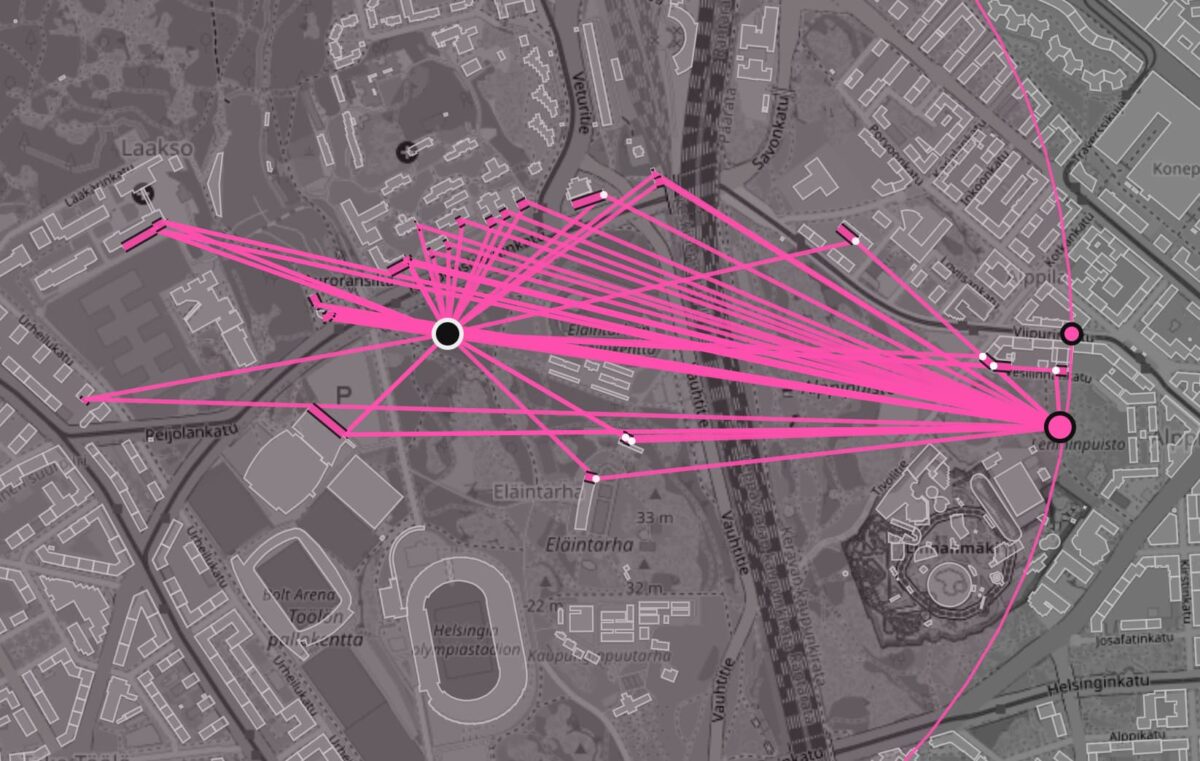
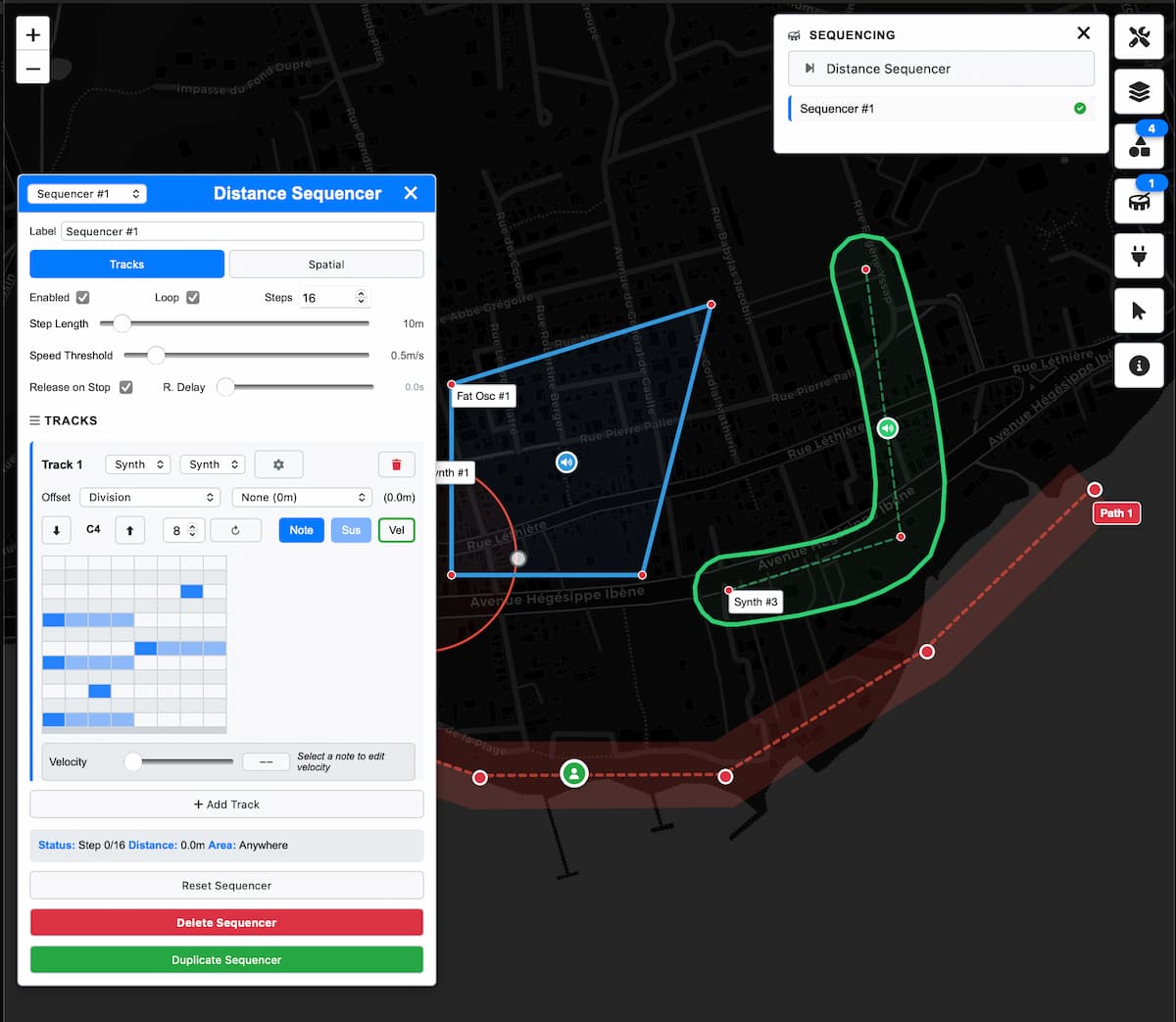
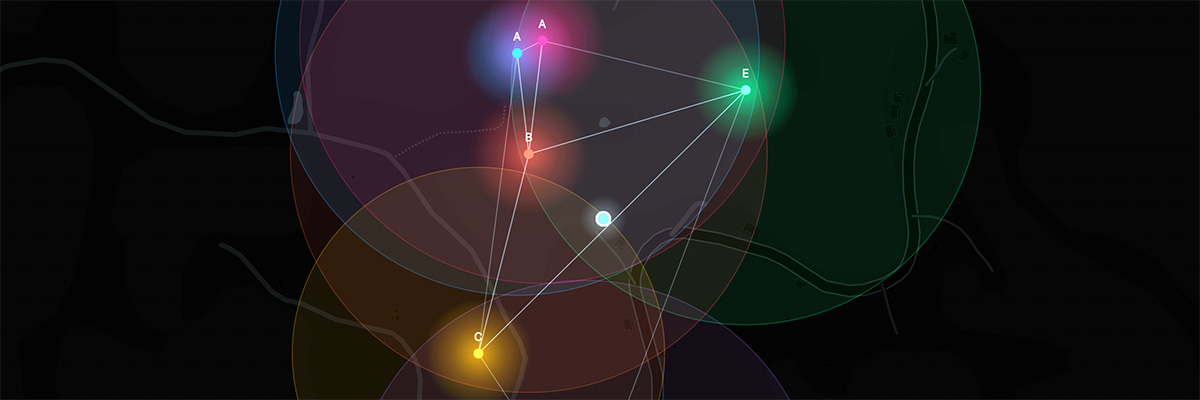
GeoBuzz is an open‑source web tool for creating spatial, walkable music — musical pieces and audio experiences that are shaped by geography and movement rather than by traditional timelines. Instead of arranging notes on a grid, you place sounds, synthesizers, sequencers, and modulation elements directly on a map. As a listener walks through that map, the sounds change based on position, direction, and speed.
At its core, GeoBuzz consists of two parts: the Editor, where you design your soundscape, and a lightweight runtime engine that plays back the composition in a web environment or in an application. You can define control zones, movement paths, automation curves and distance‑based sequencers — all tied to physical space — and export your work as a standalone package for further development.
Spatial music like this builds on ideas from electroacoustic and location‑based sound practice, where the position and movement of sound sources in physical or virtual space become part of the composition itself. This is related to the broader concept of spatial music, where sound localization and placement are intentional compositional tools.
Using GeoBuzz doesn’t require specialized hardware. It runs in modern browsers and takes advantage of geolocation and orientation features when available. The focus is on experimentation: you can test ideas in the editor, simulate movement, and iterate without complex setup.
The tool is developed with open technologies like Tone.js for audio and Leaflet for map handling. Community contributions, examples, and documentation help other creators understand how the system works and how to integrate it into their own projects.
GeoBuzz is not just software — it’s also an invitation to think about music and sound in relation to place and movement. Compositions made with it can be experienced by walking through space or by interacting with the exported audio application in a way that ties listening to environment and motion.
See it in action: github.com/janne-s/GeoBuzz
The project supports a developing field of composers, developers, and sound artists working with spatial form as a shared medium. Your support sustains development and contributes to the continued emergence of spatial music as a distinct creative genre. Buy me a coffee?